
 info@countertopsandfloors.com
 Hardwood vs. Luxury Vinyl Flooring: Finding the Right Fit for Your Home
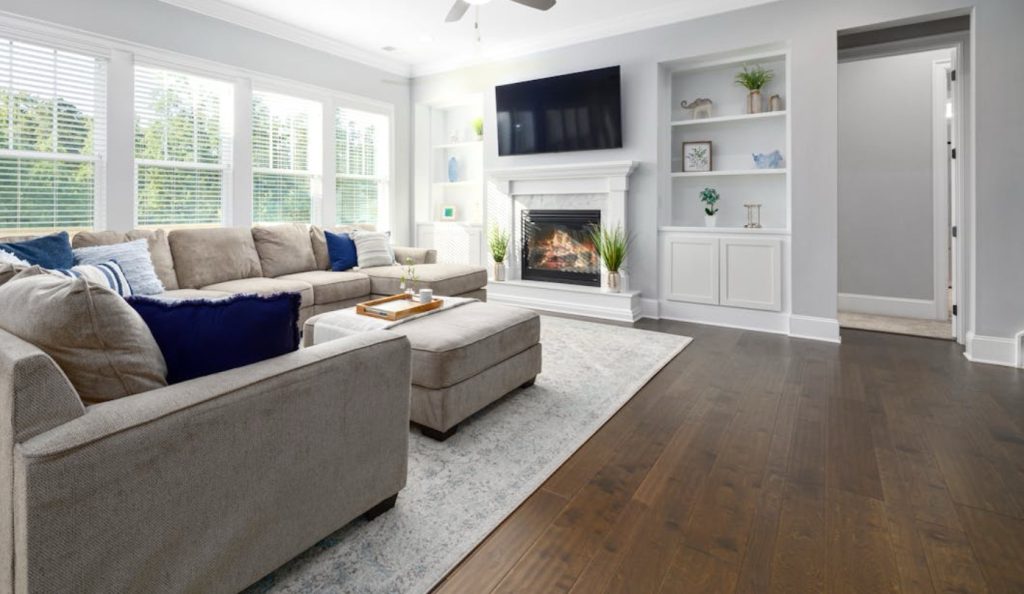
When upgrading your home’s floors, hardwood and luxury vinyl plank (LVP) are two of the most popular options in Texas homes. Both look elegant, add resale value, and can handle daily wear—but they perform differently depending on lifestyle and environment. Here’s how to choose which one fits your home best.
Hardwood: Natural Beauty and Long-Term Value
Hardwood floors are timeless. They bring warmth, texture, and authenticity to every room. Each plank is unique, and with proper care, hardwood can last for generations. Solid hardwood can be refinished multiple times, allowing you to refresh your floors instead of replacing them.
At Hilton’s Flooring, our Hardwood Flooring options include oak, maple, hickory, and engineered wood—all sourced for durability and rich finishes. Engineered hardwood offers added stability, making it ideal for Texas climates where humidity levels fluctuate.
Pros of Hardwood:
- Adds resale value to your home
- Can be refinished for a fresh look
- Luxurious, natural appearance
- Long lifespan when maintained
Cons of Hardwood:
- Higher upfront cost
- Requires maintenance and occasional refinishing
- Sensitive to moisture and temperature shifts
Luxury Vinyl Plank (LVP): Modern Durability and Style
Luxury vinyl plank flooring has become one of the most popular hardwood alternatives. It captures the texture and pattern of real wood while being waterproof, affordable, and family-friendly. It’s particularly well-suited to busy households, pets, and areas prone to spills.
LVP’s multi-layer design offers resilience and comfort underfoot. It resists scratches, dents, and stains better than most natural materials. Visit our Vinyl Flooring page to browse textures, wood tones, and installation options available through Hilton’s Flooring.
Pros of LVP:
- 100% waterproof, perfect for kitchens and bathrooms
- Soft, quiet surface for families and pets
- Wide range of styles mimicking real hardwood
- Easy to install and maintain
Cons of LVP:
- Cannot be refinished
- May not increase resale value as much as hardwood
- Can fade under constant sunlight
Cost Comparison
While hardwood typically costs more upfront, its longevity and ability to refinish often balance the investment over time. Vinyl plank flooring is more affordable and faster to install, making it a great choice for immediate updates or large remodels.
If you’re renovating multiple rooms, consider mixing materials—LVP in moisture-prone areas and hardwood in main living spaces. This creates visual flow while optimizing function.
Climate and Lifestyle Considerations
Texas homeowners face humidity, temperature swings, and high foot traffic. Engineered hardwood handles these shifts better than solid wood. However, if your household includes children, pets, or frequent guests, luxury vinyl may offer more long-term peace of mind.
Maintenance Made Simple
Hardwood requires occasional refinishing and care with cleaning products. Avoid excessive moisture and use felt pads under furniture. LVP needs only routine sweeping and damp mopping—making it one of the easiest flooring materials to maintain.
For more practical flooring care advice, read Benefits of Laminate Flooring to compare durability and cleaning methods across materials.
Design and Aesthetic Choices
Both options offer endless color and style variety. Hardwood feels organic, with depth and variation in grain. Vinyl plank provides consistent tones and textures ideal for modern spaces. Many homeowners blend the two—installing hardwood in formal areas and vinyl in kitchens or basements—for a unified yet functional design.
Making the Final Choice
If you love natural warmth and long-term investment value, hardwood may be your ideal floor. If your home demands waterproof durability and minimal upkeep, luxury vinyl plank delivers unbeatable performance.
Schedule a visit with Hilton’s Flooring to compare both in person. Our design experts can help you balance beauty, function, and budget to find the perfect flooring for your lifestyle.