
 info@countertopsandfloors.com
 Kitchen Countertop Thickness in Granbury: 2cm vs 3cm, Mitered Edges, and What to Choose
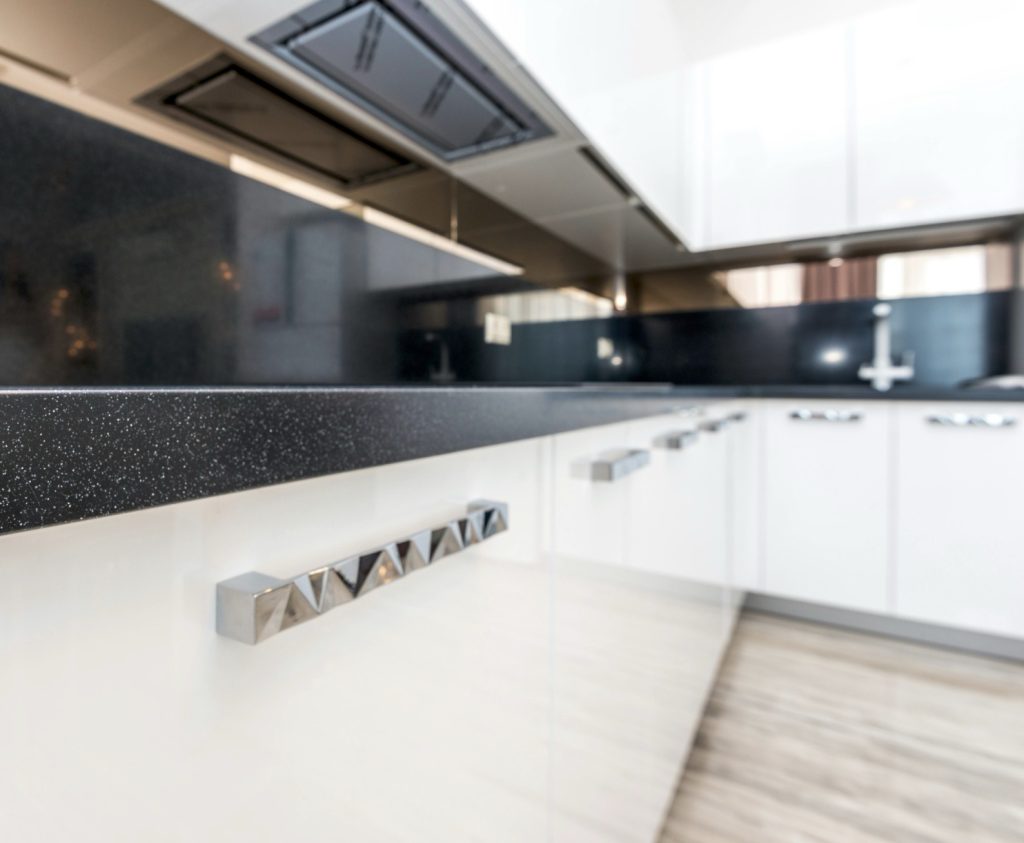
Countertop thickness sounds like a minor detail until you see two kitchens side by side. Thickness changes the look of the edge, the feel of the island, and how “substantial” the whole kitchen reads. It can also affect fabrication choices and cost.
If you are planning new kitchen countertops, this guide breaks down the most common thickness options, what they mean in real life, and how Granbury homeowners choose between 2cm, 3cm, and thicker-looking edge styles.
To compare options in person, start at our Granbury showroom hub.
Why countertop thickness matters
Thickness affects:
- Visual style at the edge (modern and thin vs bold and substantial)
- The look of an island, especially with seating
- How edge profiles and corners perform in daily use
- Fabrication options like mitered edges and built-up edges
For many kitchens, thickness is one of the easiest ways to make a countertop feel more high-end without changing the entire layout.
If your countertop decision is part of a bigger kitchen upgrade, our Granbury kitchen remodeling experts can help you pair thickness with cabinet style, island design, and how the kitchen gets used day to day.
Standard countertop thickness options you will see
Most homeowners run into these options:
- 2cm slabs, often used with an edge build-up
- 3cm slabs, often used with a standard edge profile
- Mitered edges that create a thicker look at the front edge
- Built-up edges that layer material to create extra thickness at the face
The “best” option depends on style goals, cabinet layout, and budget.
2cm vs 3cm: pros and cons for Granbury kitchens
Both 2cm and 3cm can look great. The decision usually comes down to the final look you want and how you want the edge to present.
2cm thickness
Why homeowners choose it:
- Can support a modern look, especially with clean edge profiles
- Often paired with edge build-ups to create a thicker visual at the front
- Works well for certain design styles where a lighter visual profile is the goal
What to plan for:
- Many 2cm installs use an edge build-up to avoid a thin look
- The fabrication plan matters more, since the edge style does more of the visual work
3cm thickness
Why homeowners choose it:
- Looks substantial without needing an added build-up at the edge
- Works well with a wide range of edge profiles
- Often feels like a “safe” choice for homeowners who want a classic look
What to plan for:
- The slab is heavier, so transport and handling planning matters
- It can look visually heavier in very small kitchens if you are aiming for an ultra-modern, thin-edge style
Mitered edges and build-ups for a thicker look
If you want the look of a thicker countertop, you do not always need a thicker slab. Two common options are mitered edges and built-up edges.
Mitered edge
A mitered edge uses angled cuts to wrap the material at the edge, creating a thicker front face. Homeowners often choose this for:
- Waterfall islands
- Modern kitchens with clean lines
- Dramatic stone patterns where a thicker edge highlights the look
Built-up edge
A built-up edge layers additional material at the front edge to create a thicker appearance. This can be useful when:
- You like the look of a thicker counter but want to use a thinner slab
- You want a more traditional “heavier edge” look
Both options can raise fabrication complexity and cost, so it helps to decide early.
How thickness affects seams, sink cutouts, and support
Thickness can influence:
- How edges look at seams and corners
- How sink cutouts and faucet hole plans get executed
- How the countertop feels at island seating zones
If you are doing an undermount sink, the cutout edge needs to be clean and consistent. With certain thickness and edge decisions, the finished look around the sink can change.
Thickness can also change how an island feels. A thicker-looking edge can feel more substantial for seating and entertaining, while a thinner edge can feel modern and minimal.
Thickness notes by material type
Material choice and thickness work together.
Quartz
- Often chosen for consistent style and straightforward upkeep
- Thickness is usually a style decision: modern thin look vs more substantial edge
Granite
- Natural variation can look great with both thin and thick edges
- A thicker edge can highlight depth in darker stones
Quartzite and marble
- Many homeowners like a thicker edge to highlight veining and movement
- Edge profile choices can change the overall style direction quickly
If you are still deciding between quartz and granite as your base material, this guide to quartz vs. granite for Granbury kitchens can help you choose the material first, then refine thickness and edge decisions.
Porcelain
- Often chosen for a crisp, modern style
- Thickness look is often created through edge detailing rather than a naturally thick slab
Cost factors and how to decide
Thickness choices can affect cost in a few ways:
- More material weight can increase handling complexity
- Mitered edges and build-ups add fabrication steps
- Waterfall islands usually raise cost due to extra material and fabrication work
If you want a budget-focused breakdown of what typically drives pricing in a kitchen project, this Granbury kitchen remodel cost guide is a strong reference for understanding how counters fit into the bigger picture.
A practical approach is:
- Choose your material and color direction
- Decide if you want a thin modern edge or a thicker look
- Choose the edge profile and any build-up or mitered details
- Finalize sink, faucet, and island plans before fabrication
Next steps
The right countertop thickness is the one that matches your kitchen style, your island goals, and your budget comfort level. When the thickness and edge details are planned early, the finished kitchen feels more intentional.
To see thickness options and edge styles in person, visit our showroom through the Granbury hub page or call 817-962-2657 to talk through your project at a high level before you finalize selections.