
 info@countertopsandfloors.com
 Tile Shower Waterproofing Basics: What Granbury Homeowners Should Know Before Remodeling
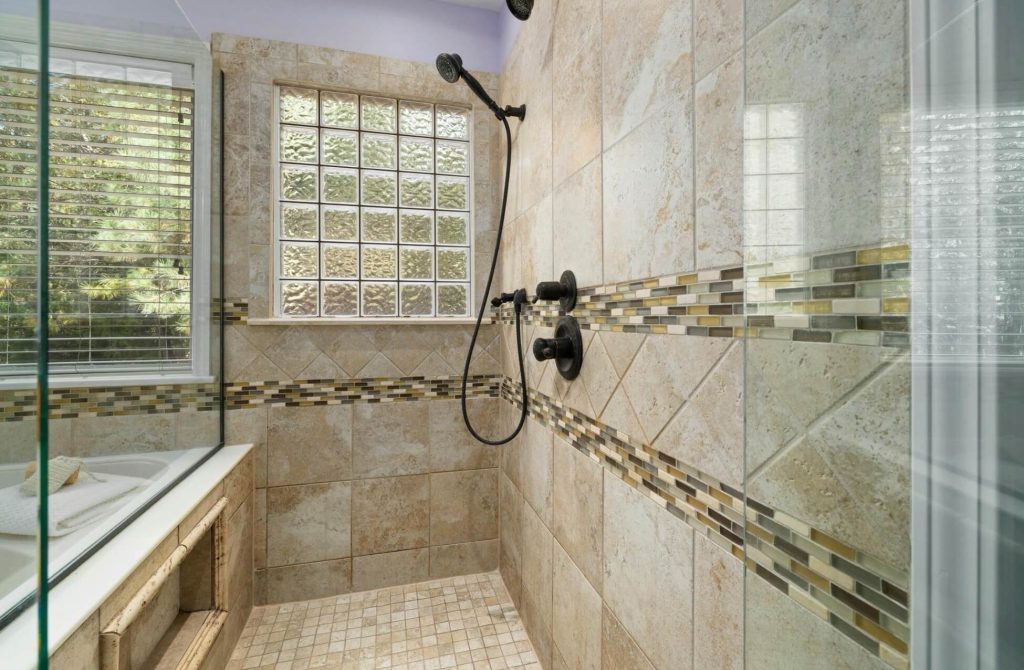
A beautiful tile shower is one of the best upgrades you can make in a bathroom, but the long-term success of the shower has less to do with the tile and more to do with what is behind it. Waterproofing is what protects the structure of the home from moisture, leaks, and costly repairs later.
At Countertops & Floors, we help Granbury homeowners plan showers that look great and are built around smart surface and system choices. If you are starting a bathroom project, you can explore options and talk through priorities at our Granbury showroom hub.
Why waterproofing matters more than the tile
Tile and grout are not waterproof on their own. Water can move through grout lines, around corners, and into tiny gaps over time. The waterproofing system is what directs water back to the drain and keeps moisture out of walls and floors.
When waterproofing is done right, you get:
- A shower that stays structurally sound over time
- Less risk of hidden moisture problems
- Easier maintenance because the shower dries and drains properly
If you are considering a new shower, our shower remodeling experts in Granbury can help you plan tile style, layout, and the build details that matter most.
Shower pans, drains, and slope basics
The shower pan is the foundation of water management. A few core concepts matter for homeowners, even if you are not doing the installation yourself.
Key points to understand:
- The shower floor needs proper slope to move water to the drain.
- Drain type and waterproofing method need to match.
- Corners and transitions are common trouble spots if details are rushed.
If your shower includes a curb, the waterproofing needs to be continuous around it. If your shower is curbless, the slope, drain location, and floor transition planning become even more important.
Wall systems and waterproof membranes
Most shower failures start at walls and seams, not at the tile face. There are different approaches to building a waterproof shower wall, but the goal is the same: a continuous water-managed layer behind the tile.
Common approaches include:
- Cement board walls paired with a waterproof membrane
- Foam backer boards designed for wet areas
- Liquid-applied or sheet membrane systems that wrap corners and seams
No matter the system, seams and penetrations need careful attention around:
- Shower heads and valves
- Body sprays
- Grab bars and accessories
- Plumbing access points
Niches, benches, and corners
Shower niches and benches look great, but they add extra edges and transitions. That makes them higher-risk areas if waterproofing details are skipped.
Practical tips to keep in mind:
- Pre-formed niches can simplify waterproofing details.
- Benches should be pitched slightly so water does not sit on the surface.
- Corners need reinforcement and full membrane coverage.
These details also influence tile layout. Before you choose a tile, it helps to decide whether you want a niche, bench, or floating shelves.
If you are comparing tile types and want options that hold up well, this guide on Granbury’s best tile choices for long-lasting, stylish showers can help you narrow toward durable styles that are easier to keep clean.
Grout and caulk basics
Grout and caulk play different roles.
Grout:
- Fills gaps between tiles
- Supports the finished look and helps stabilize tile placement
- Needs proper sealing and cleaning habits depending on grout type
Caulk:
- Is used at changes of plane, like wall-to-wall and wall-to-floor corners
- Handles small movement better than grout
- Needs periodic replacement over time
A common misconception is that grout alone keeps water out. The waterproofing system is the true barrier.
Ventilation and humidity habits that help
Even the best shower benefits from good ventilation. In Granbury summers, humidity can slow drying time and encourage mildew on surfaces.
Habits that help:
- Run the exhaust fan during showers and for a period after
- Use a squeegee on walls if you want to reduce water spotting
- Keep shower doors open briefly after use to help airflow
Good ventilation does not replace waterproofing, but it improves daily maintenance and keeps showers looking fresher.
Questions to ask before work starts
Homeowners do not need to be experts, but asking a few questions helps you understand the plan.
Good questions include:
- What waterproofing system will be used, and where will it be applied?
- How will corners, niches, and benches be waterproofed?
- What grout type is recommended for the tile we are using?
- How will the shower floor be sloped, and where is the drain located?
- What steps are taken before tile goes up?
Clarity on these items helps reduce surprises during installation.
How waterproofing fits into a remodel timeline
Waterproofing is part of the build stage that happens before tile finishes. If you are coordinating multiple bathroom upgrades, timeline clarity helps decisions happen in the right order.
For a step-by-step view of what most projects include, this guide on bathroom remodel timelines for Granbury homeowners lays out what typically happens from planning through installation.
Next steps
Tile shower waterproofing is not the most exciting part of a remodel, but it is one of the most important. When the system behind the tile is planned correctly, the shower performs better and stays easier to maintain.
If you are planning a shower upgrade or a full bathroom refresh, start with our complete bathroom remodeling services in Granbury and talk with our team about your layout, tile style, and shower goals. You can also visit our showroom at 300 Temple Hall Hwy, Granbury, TX 76049 or call 817-962-2657.